Tag: Accuracy

Titration Acid-Base

Titration Acid-Base

In this experiment, we aim to determine the concentration of a solution of sodium hydroxide by titration against a standard solution of potassium hydrogen phthalate. We will use phenolphthalein as an indicator to show when the reaction is complete. To perform the titration, we will need a burette, pipette, conical flask, sodium hydroxide solution, and potassium hydrogen phthalate solution, among other requirements. We will also need to ensure accuracy by recording burette readings to the nearest 0.05 cm3 and repeating titrations until they agree within 0.10 cm3. Finally, we will analyze the effects of various errors on the calculated value of the concentration of sodium hydroxide and discuss the reasons for using a colourless to pink solution for titration.

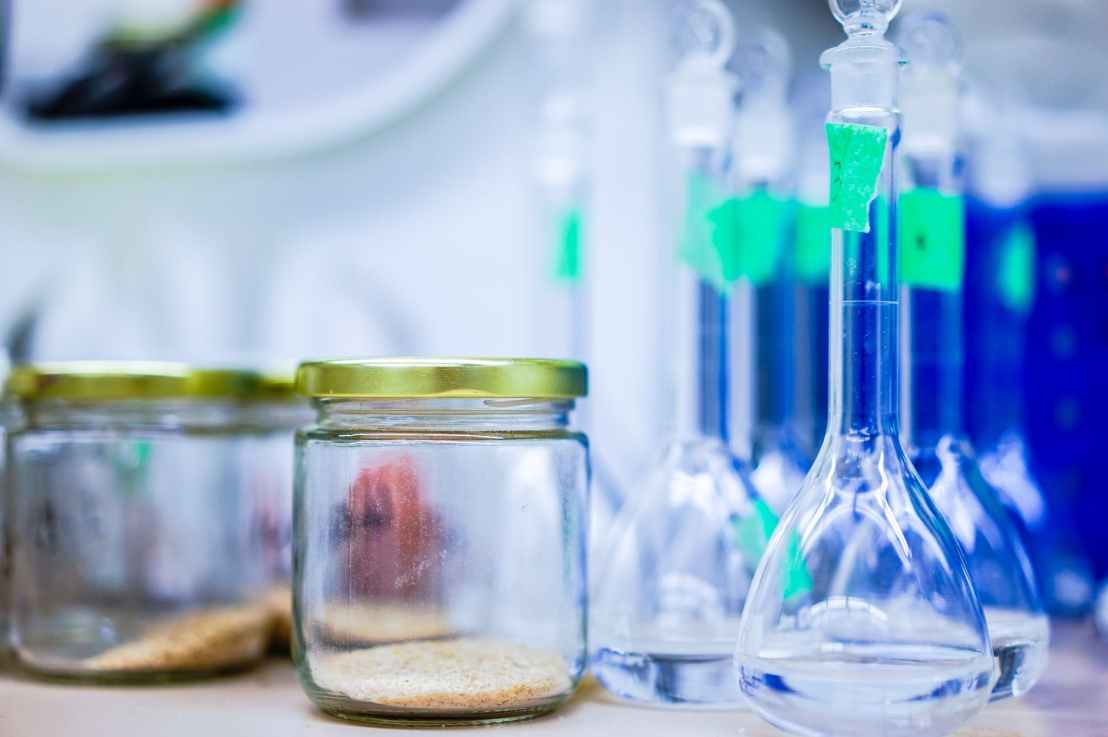
Making a standard solution

Making a standard solution

In the world of laboratory work, accuracy is key. A primary standard like potassium hydrogen phthalate can help ensure that measurements are precise and reliable. By preparing a standard solution of this compound and using it in volumetric analysis, researchers can obtain accurate concentration measurements that are essential for a wide range of experiments. This article discusses the process of making a standard solution of potassium hydrogenphthalate, the importance of using primary standards, and the benefits of using volumetric analysis in the lab.

Freezing Point Depression of Sodium Chloride and Water

Freezing Point Depression of Sodium Chloride and Water

Freezing point depression is a phenomenon that occurs when a solute is added to a solvent, causing its freezing point to lower. In this practical investigation, we will explore the freezing point depression of water with different concentrations of sodium chloride (NaCl) and measure its impact on the freezing point. The experiment will involve preparing 50ml solutions of sodium chloride in water and measuring the temperature when the solution freezes over a range of salt concentrations from 1g to 20g per litre.