In this blog, we will explore the process of electrolysis and its application in the extraction of copper metal from a copper sulfate solution. 🧪🔬 We will discuss the equipment needed and the step-by-step procedure for this IGCSE Prescribed Practical. 🧊💡 We will also explain how to calculate the mass of copper deposited on the cathode and interpret the expected findings. 📈💡 Additionally, we will provide answers to some questions related to electrolysis and the experiment. 🔍💭 Don't miss this exciting opportunity to learn about electrolysis and copper extraction!
Tag: GCSE
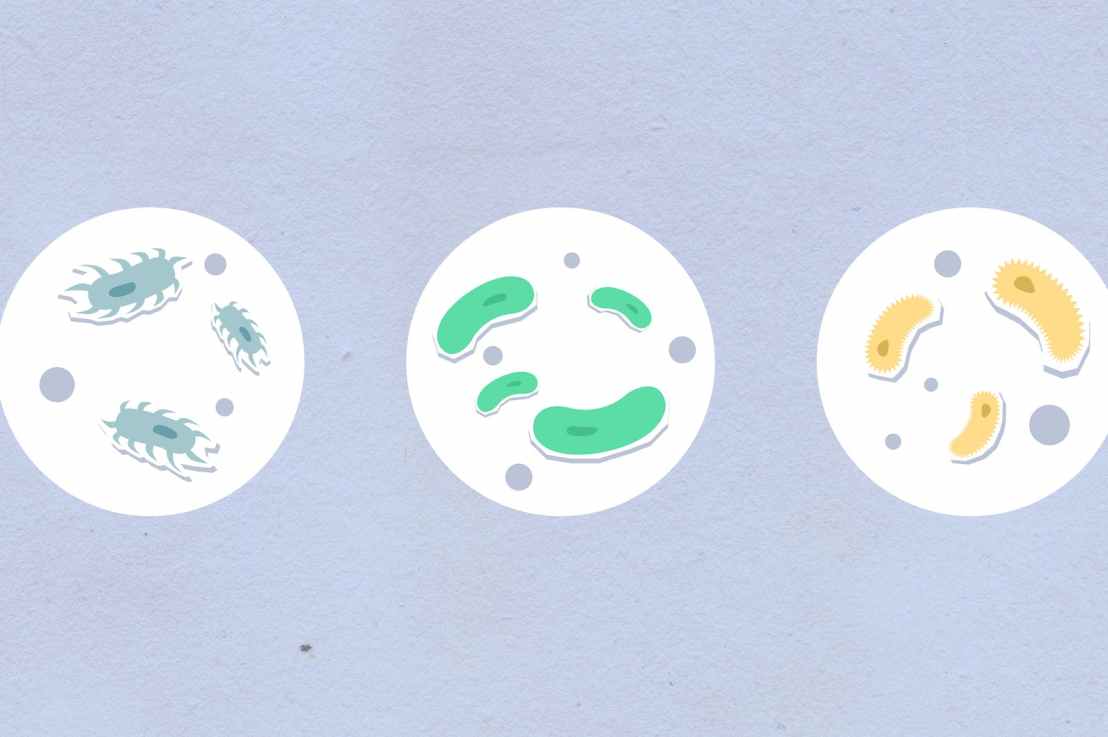
Microbial Cultures: Observing Growth on Agar Plates – IGCSE Prescribed Practical
In this practical investigation, we explore the world of microbiology and learn how to grow microbial cultures on agar plates while observing their growth characteristics. Discover the necessary equipment needed and learn the importance of aseptic technique to prevent contamination. Through the process of incubation and making subcultures, we uncover the unique colony characteristics of different microorganisms. By the end of this experiment, you'll gain a deeper understanding of microbial growth and the importance of laboratory safety.
Investigating the Presence of Starch, Glucose, Protein, and Fat in Food Sample – IGCSE Prescribed Practical
In this practical investigation, we will be exploring the presence of important nutrients such as starch, glucose, protein, and fat in different types of food. By using simple chemical analysis techniques such as Benedict's solution and Biuret reagent, we can test for the presence of these nutrients and gain a better understanding of the nutritional composition of different foods. These tests can help us make informed decisions about our diets to ensure that we are consuming a balanced and healthy diet. Through a step-by-step guide and the use of equipment such as test tubes and a water bath, we can carry out these tests with ease and interpret the results to gain insights into the nutritional value of different foods.
Investigating Osmosis in Plant Tissue: A Practical Investigation – IGCSE Prescribed Practical
In this practical investigation, we explore the process of osmosis in plant tissue and how it affects plant growth. By using a petri dish and sucrose solution, we can study the movement of water in and out of cells and gain a deeper understanding of this crucial biological process. Our step-by-step guide outlines the equipment needed, method, and expected findings, as well as providing answers to frequently asked questions. Join us as we delve into the fascinating world of osmosis and plant biology. By conducting this simple and effective practical investigation, we can gain a better understanding of the process of osmosis in plant tissue and how it affects the overall health and growth of plants.
Discovering Photosynthesis: Testing a Leaf for Starch – A Hands-On Practical Experiment
Dive into the captivating world of plant biology with our hands-on practical experiment, designed to demonstrate the process of photosynthesis by testing a leaf for starch. By examining starch production in leaves, we can explore the incredible process through which plants convert sunlight into energy, producing the oxygen we breathe and the food we eat. This experiment offers an interactive and engaging way to learn about photosynthesis and develop a deeper appreciation for the crucial role plants play in sustaining life on our planet. Follow our detailed step-by-step guide and immerse yourself in the wonders of plant biology.
Titration – Exam Practice
Titration is an essential technique used in many areas of chemistry to determine the concentration of a solution. In this practical experiment, the aim is to determine the value of x in Fe(NH4)2(SO4)2.xH2O using titration against a standard solution of potassium manganate (VII). The obtained results are used to calculate the amount of water of crystallization in the salt. This blog post provides an overview of titration and its importance in chemistry, as well as a step-by-step procedure and calculations for the Fe(NH4)2(SO4)2.xH2O experiment.