Tag: IGCSE

IGCSE Prescribed Practical: Electrolyzing Copper Sulfate Solution to Extract Copper Metal

IGCSE Prescribed Practical: Electrolyzing Copper Sulfate Solution to Extract Copper Metal

In this blog, we will explore the process of electrolysis and its application in the extraction of copper metal from a copper sulfate solution. 🧪🔬 We will discuss the equipment needed and the step-by-step procedure for this IGCSE Prescribed Practical. 🧊💡 We will also explain how to calculate the mass of copper deposited on the cathode and interpret the expected findings. 📈💡 Additionally, we will provide answers to some questions related to electrolysis and the experiment. 🔍💭 Don't miss this exciting opportunity to learn about electrolysis and copper extraction!

IGCSE Prescribed Practical: Investigating the Effect of Concentration and Temperature on Reaction Rates of Hydrochloric Acid and Sodium Thiosulfate

IGCSE Prescribed Practical: Investigating the Effect of Concentration and Temperature on Reaction Rates of Hydrochloric Acid and Sodium Thiosulfate

In this IGCSE Prescribed Practical, we delve into the world of chemical kinetics experiments, investigating the relationship between concentration and temperature on the rate of reaction between hydrochloric acid and sodium thiosulfate. By exploring the principles of reaction kinetics, collision theory, and the rate law, we gain an understanding of how chemical reactions occur and the factors that influence their speed. Through this practical investigation, we calculate activation energy and plot data on a graph to observe trends in reaction rates. Join us in this exciting exploration of chemical kinetics and discover the fascinating world of chemical reactions!

Microbial Cultures: Observing Growth on Agar Plates – IGCSE Prescribed Practical

Microbial Cultures: Observing Growth on Agar Plates – IGCSE Prescribed Practical

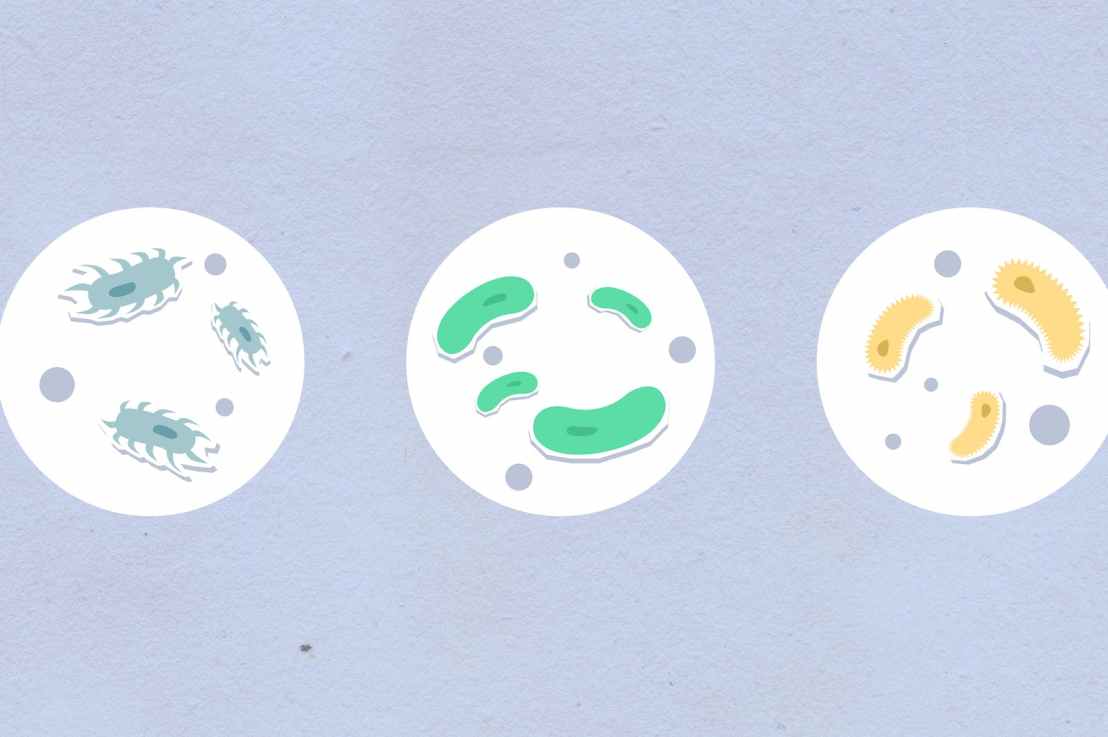
In this practical investigation, we explore the world of microbiology and learn how to grow microbial cultures on agar plates while observing their growth characteristics. Discover the necessary equipment needed and learn the importance of aseptic technique to prevent contamination. Through the process of incubation and making subcultures, we uncover the unique colony characteristics of different microorganisms. By the end of this experiment, you'll gain a deeper understanding of microbial growth and the importance of laboratory safety.

Investigating the Presence of Starch, Glucose, Protein, and Fat in Food Sample – IGCSE Prescribed Practical

Investigating the Presence of Starch, Glucose, Protein, and Fat in Food Sample – IGCSE Prescribed Practical

In this practical investigation, we will be exploring the presence of important nutrients such as starch, glucose, protein, and fat in different types of food. By using simple chemical analysis techniques such as Benedict's solution and Biuret reagent, we can test for the presence of these nutrients and gain a better understanding of the nutritional composition of different foods. These tests can help us make informed decisions about our diets to ensure that we are consuming a balanced and healthy diet. Through a step-by-step guide and the use of equipment such as test tubes and a water bath, we can carry out these tests with ease and interpret the results to gain insights into the nutritional value of different foods.

Investigating the Effect of pH on Enzyme Activity using Catalase and Hydrogen Peroxide – IGCSE Prescribed Practical

Investigating the Effect of pH on Enzyme Activity using Catalase and Hydrogen Peroxide – IGCSE Prescribed Practical

Enzymes are essential biological catalysts that play a crucial role in many chemical reactions in living organisms. In this practical investigation, we will be exploring the effect of pH on the activity of the enzyme catalase, which is responsible for breaking down hydrogen peroxide into water and oxygen. By carrying out this experiment, we can better understand the role of pH in enzyme activity and how enzymes function in biological systems. Through a step-by-step guide and the use of equipment such as a gas syringe, we can measure the volume of oxygen gas produced and draw conclusions from the data. This practical investigation is a fascinating way to learn about the principles of biological catalysts, chemical reactions, and pH, making it an excellent choice for students interested in biology or chemistry.

Investigating Osmosis in Plant Tissue: A Practical Investigation – IGCSE Prescribed Practical

Investigating Osmosis in Plant Tissue: A Practical Investigation – IGCSE Prescribed Practical

In this practical investigation, we explore the process of osmosis in plant tissue and how it affects plant growth. By using a petri dish and sucrose solution, we can study the movement of water in and out of cells and gain a deeper understanding of this crucial biological process. Our step-by-step guide outlines the equipment needed, method, and expected findings, as well as providing answers to frequently asked questions. Join us as we delve into the fascinating world of osmosis and plant biology. By conducting this simple and effective practical investigation, we can gain a better understanding of the process of osmosis in plant tissue and how it affects the overall health and growth of plants.