
From an “impossible” new kind of LED to a plant that came back from the dead, this has been a remarkable week for discovery. Below are six of the most interesting science stories from the past seven days, spanning physics, biology, astronomy, paleontology and human evolution.
1. Cambridge builds an “impossible” LED from materials that shouldn’t conduct electricity

Researchers at the University of Cambridge’s Cavendish Laboratory have done something physicists long thought was impossible: they have made a working LED out of materials that don’t conduct electricity. The team, led by Professor Akshay Rao, attached tiny organic molecules called “molecular antennas” (9-anthracenecarboxylic acid) to lanthanide-doped nanoparticles. Electrical current is funnelled into the organic dye instead of the insulating nanoparticles, and then transferred to the nanoparticles through a “dark” triplet state with more than 98% efficiency. The result is an ultra-pure near-infrared LED that runs at just 5 volts. These wavelengths can travel deep into living tissue, which could lead to injectable medical sensors, sharper imaging of tumours, and faster optical communications. The work was published in Nature.
Think About It: If you can power a material that doesn’t conduct electricity, what does that tell you about how we usually define a “conductor” and an “insulator”?
Image credit: Zhongzheng Yu / University of Cambridge — view source image
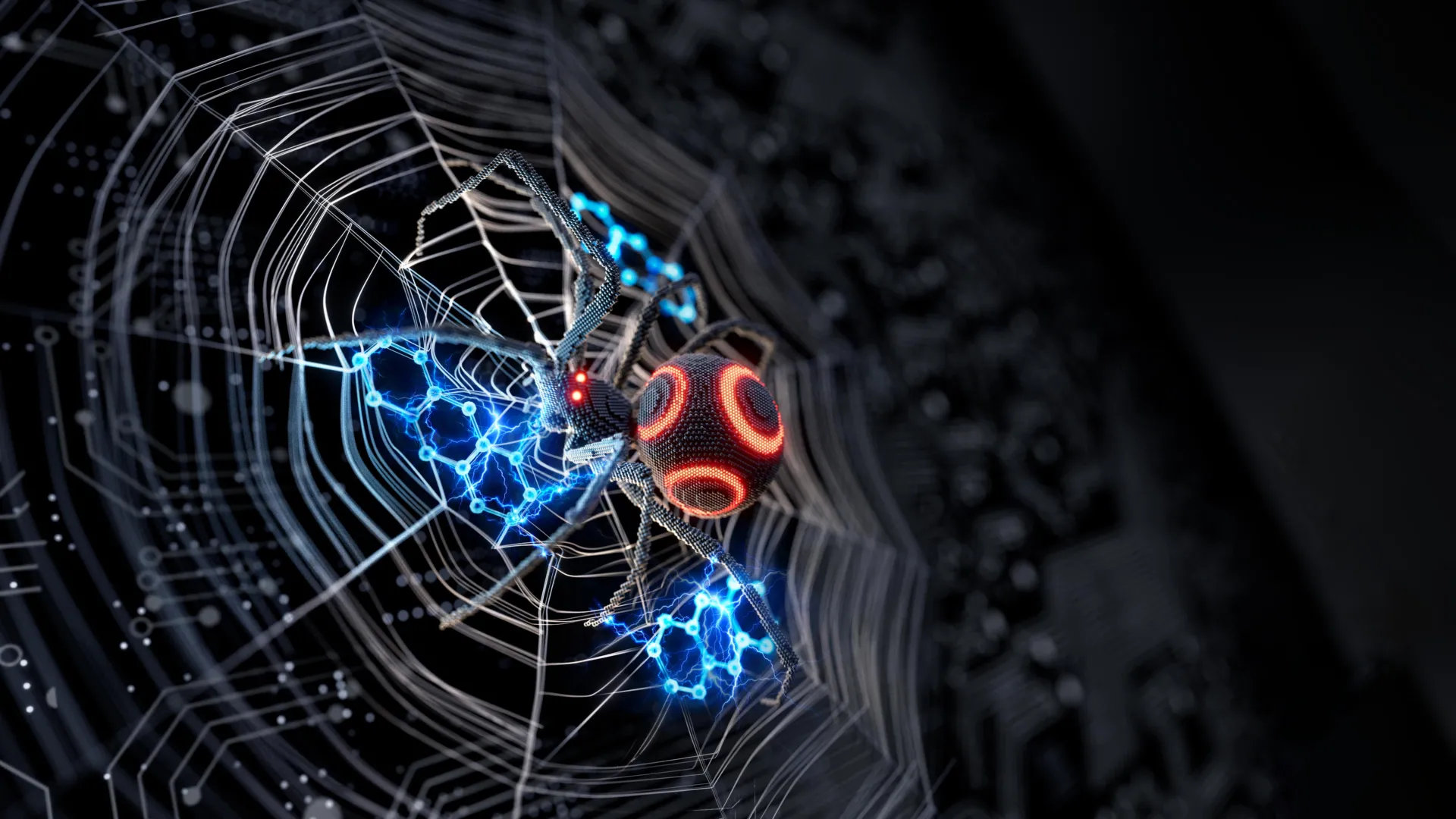
Originally reported by: ScienceDaily — The “impossible” LED that could change everything
2. A kimchi microbe may help sweep nanoplastics out of your gut

Scientists at the World Institute of Kimchi in South Korea have found that a probiotic bacterium isolated from the famous fermented cabbage dish can latch onto nanoplastics and help carry them out of the body. The strain, Leuconostoc mesenteroides CBA3656, bound to 87% of polystyrene nanoplastics in lab tests, and kept hold of 57% under conditions designed to mimic the human intestine — where a reference strain dropped to just 3%. In germ-free mice, animals given the kimchi probiotic excreted more than twice as much nanoplastic in their faeces as untreated mice. Nanoplastics — particles smaller than 1 micrometre — are increasingly being found in human organs, including the brain and kidneys, so a microbial route to remove them could become an important public-health tool. The findings were published in Bioresource Technology.
Think About It: Why might a microbe from a traditional fermented food be better at sticking to plastic in the gut than other gut bacteria?
Image credit: Shutterstock via ScienceDaily — view source image
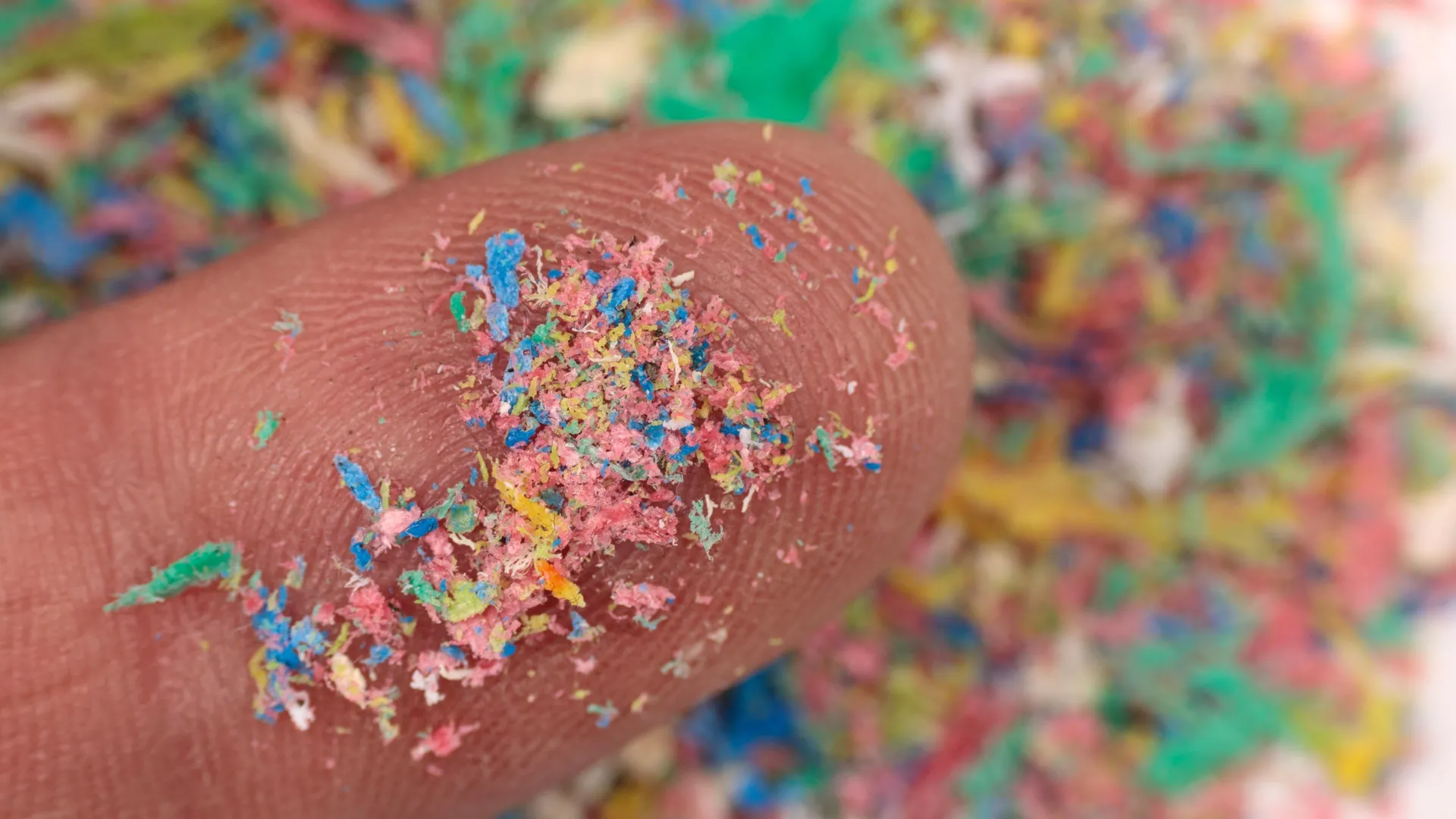
Originally reported by: ScienceDaily — This popular fermented food may help flush microplastics from the body
3. NASA’s Roman Space Telescope could finally reveal the Milky Way’s hidden neutron stars

Astronomers think the Milky Way contains tens to hundreds of millions of neutron stars — the ultra-dense leftover cores of exploded massive stars — but only a few thousand have ever been spotted. A new study in Astronomy & Astrophysics, led by Zofia Kaczmarek of Heidelberg University, predicts that NASA’s upcoming Nancy Grace Roman Space Telescope (launching as soon as September 2026) will dramatically change that. Roman won’t see neutron stars directly; instead it will watch for “gravitational microlensing”, where a neutron star’s gravity bends and slightly shifts the light of a more distant background star. By measuring that tiny astrometric shift, Roman can not only spot isolated neutron stars but also weigh them — something only possible today in binary systems. The results could finally reveal the true population of these extreme objects and tell us how they get their violent supernova “kicks”.
Think About It: How can light from a faraway star be used to weigh an object we cannot even see?
Image credit: NASA — view source image
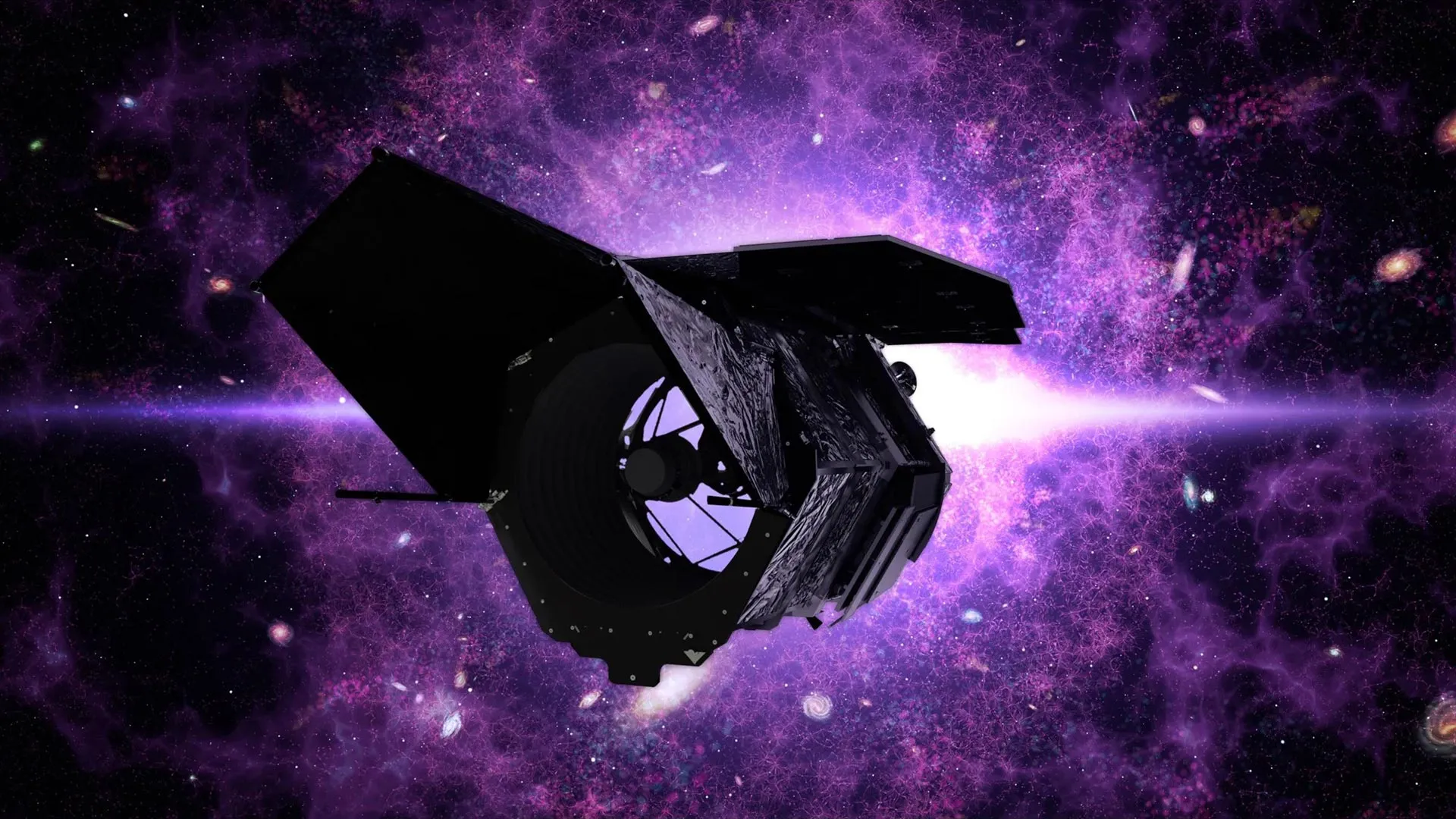
Originally reported by: ScienceDaily — NASA’s Roman Space Telescope could reveal millions of invisible neutron stars
4. A plant believed extinct for nearly 60 years turns up in the Australian outback

A shrub called Ptilotus senarius — last collected in 1967 and widely thought extinct — has been rediscovered in remote Queensland thanks to a chance photo uploaded to the citizen-science app iNaturalist. Aaron Bean, a horticulturalist helping band birds on a private outback property, snapped a few pictures of an unusual plant with feathery purple-pink flowers and uploaded them once he got a phone signal back. Botanist Anthony Bean of the Queensland Herbarium — who originally described the species a decade earlier — spotted the post and recognised it immediately. With a fresh specimen collected with the landowner’s help, the plant has now been moved from “presumed extinct” to “critically endangered”. The rediscovery, written up in the Australian Journal of Botany by UNSW’s Thomas Mesaglio, highlights how ordinary people with smartphones are increasingly fuelling biodiversity science.
Think About It: What does it tell us about extinction lists that a “lost” species can still be hiding in plain sight? How should we decide when a species is truly gone?
Image credit: Aaron Bean / iNaturalist via ScienceDaily — view source image
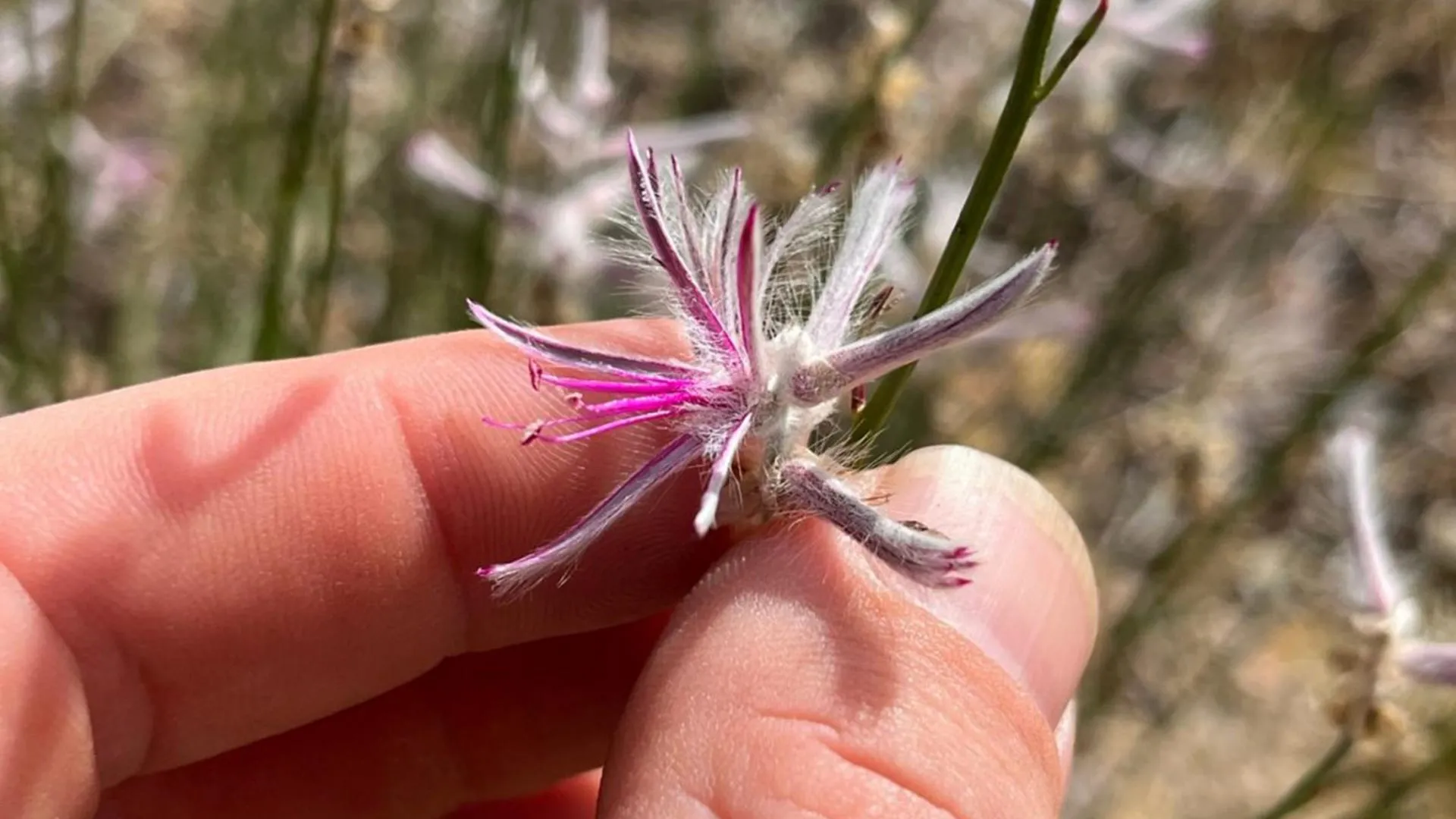
Originally reported by: ScienceDaily — Plant believed extinct for 60 years suddenly reappears
5. Spain’s stunning stegosaur skull rewrites the family tree of plated dinosaurs

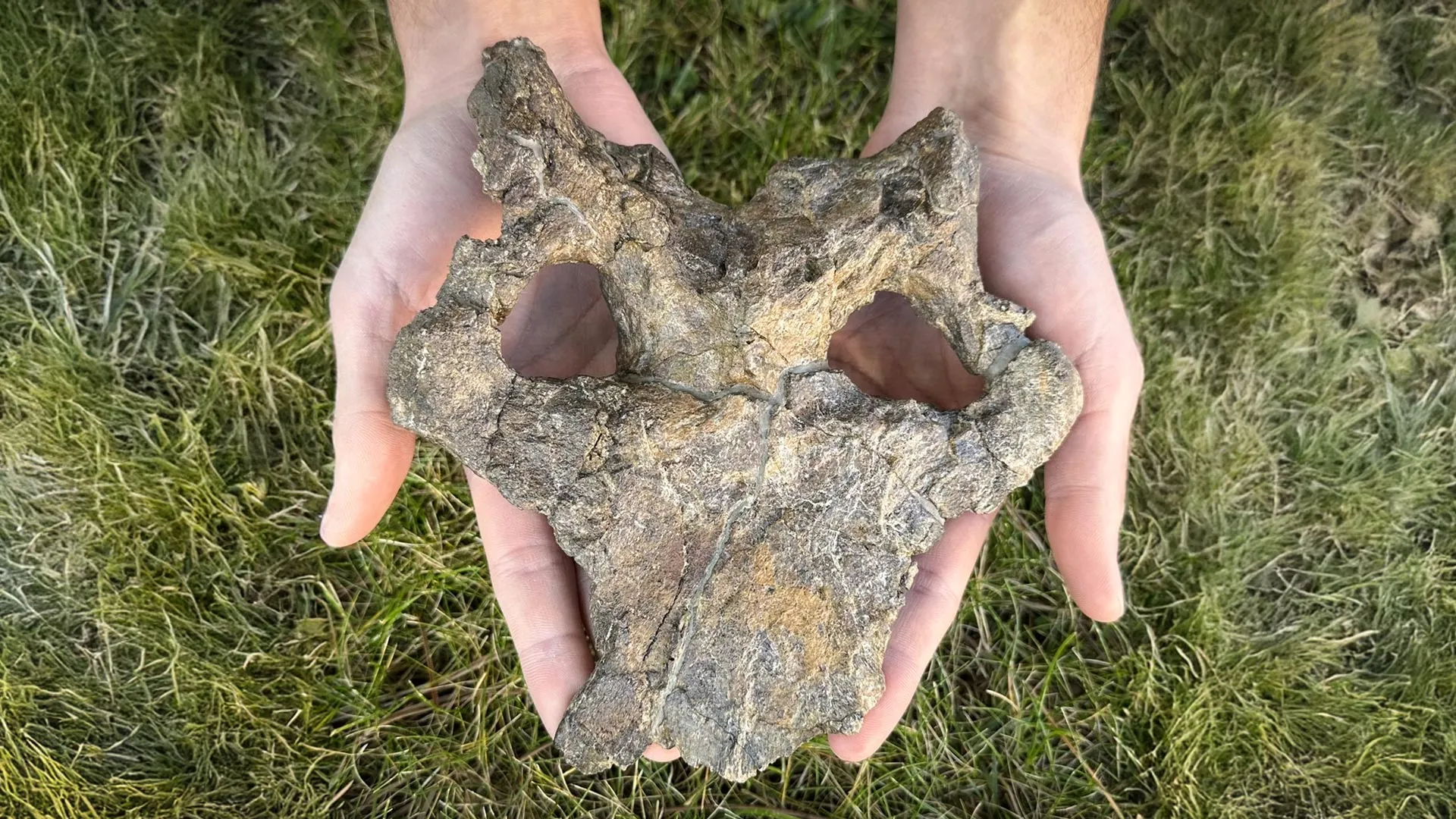
Stegosaur skulls almost never survive: the bones are thin, fragile, and usually crumble long before they fossilise. So when paleontologists at the Fundación Conjunto Paleontológico de Teruel-Dinópolis pulled the best-preserved stegosaur skull ever found in Europe from a site near Riodeva, in Teruel, Spain, it was a paleontological jackpot. The 150-million-year-old fossil belongs to Dacentrurus armatus, one of Europe’s most iconic plated dinosaurs, and was found alongside more than 200 bones from at least one adult and one juvenile — an unusually rich mixed-age assemblage. Writing in Vertebrate Zoology, Sergio Sánchez-Fenollosa and Alberto Cobos propose a new evolutionary group called Neostegosauria, covering medium and large plated dinosaurs that spread across Europe, Africa, North America and Asia between the Middle Jurassic and the Early Cretaceous.
Think About It: Why does a single well-preserved skull change so much about how scientists classify an entire group of dinosaurs?
Image credit: Fundación Conjunto Paleontológico de Teruel-Dinópolis — view source image
Originally reported by: ScienceDaily — Stunning 150-million-year-old stegosaur skull rewrites dinosaur evolution
6. Why are humans so overwhelmingly right-handed? Walking upright and growing big brains

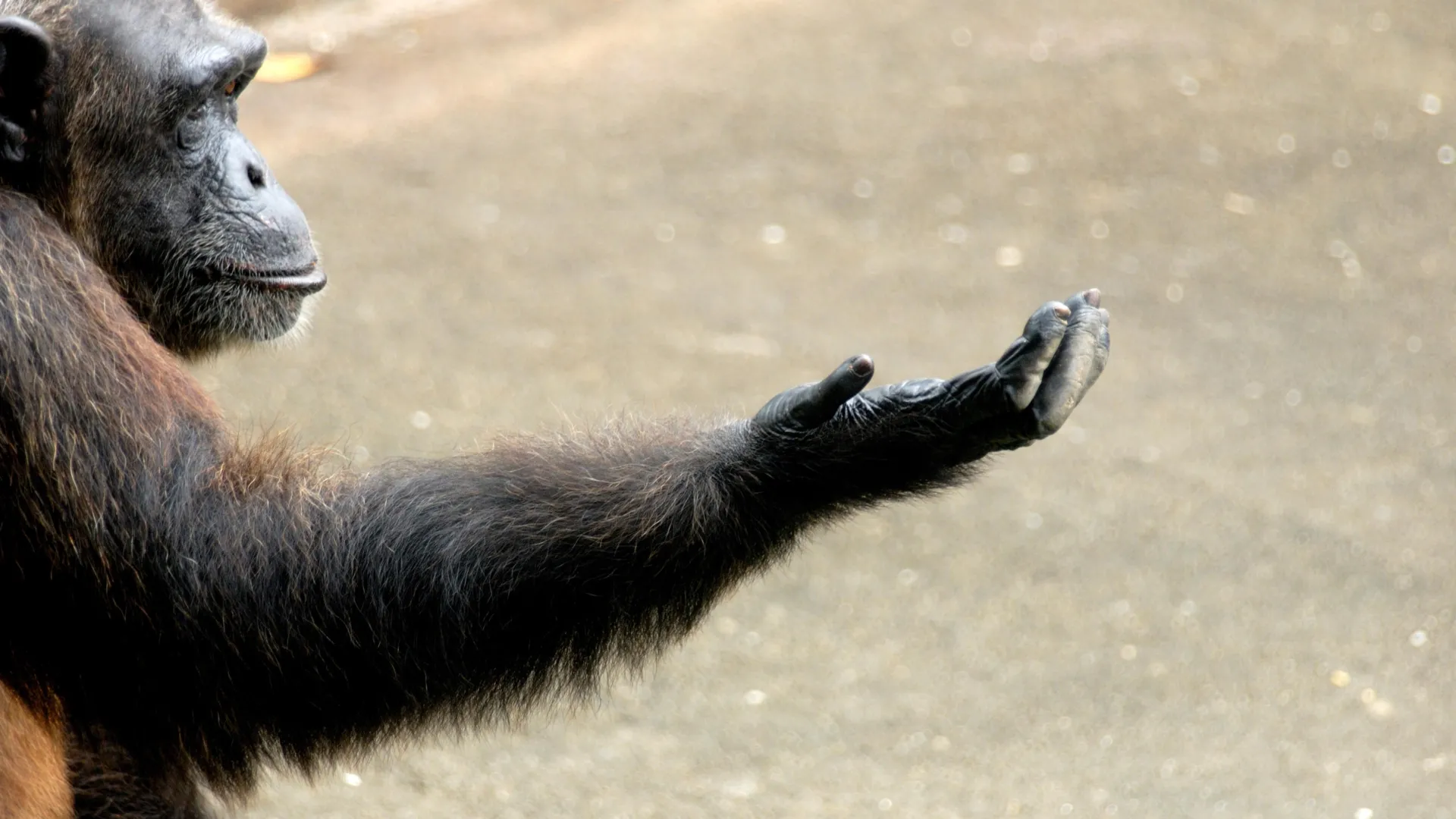
Around 90% of humans, in every culture, prefer their right hand — a level of bias no other primate shows. A new study in PLOS Biology from the University of Oxford and the University of Reading argues this isn’t a quirk but a fingerprint of two huge events in human evolution: standing up on two legs, and growing much bigger brains. The team, led by Dr Thomas Püschel, analysed handedness data from 2,025 individual monkeys and apes across 41 species and used Bayesian evolutionary models to test rival explanations including diet, tools, habitat and social structure. Once they included brain size and the arm-to-leg length ratio (a marker of bipedalism), humans no longer looked like an outlier. The model even predicts that the small-brained “hobbit” species Homo floresiensis would have had a much weaker right-hand bias than us.
Think About It: If right-handedness is tied to bipedalism and big brains, why do you think left-handedness has never been wiped out of the human population?
Image credit: Shutterstock via ScienceDaily — view source image
Originally reported by: ScienceDaily — Scientists think they’ve cracked the mystery of human right-handedness
From the impossibly small to the impossibly old, this week’s stories share a single message: science is constantly redrawing the boundary between what’s possible and what isn’t. As ever, the best questions are the ones your students bring back to class on Monday.
Discover more from Practical Science
Subscribe to get the latest posts sent to your email.